Check out all of our collections!

Bottle Feeding Frequently Asked Questions
Frequently asked questions for bottle feeding calves, lambs, and goat kids.
Bottle Feeding FAQs
What kind of nipple should I use?
Mouth shape and size differ between all livestock species. You will have more success bottle feeding by using species appropriate nipples for each class. Make sure you thoroughly sanitize after each feeding and store in a clean location for the next feeding session. Remember it is always best to have spares in case they get damaged, lost, etc.
When should I feed colostrum or (colostrum replacer)?
It is critical that newborns receive colostrum immediately following birth, within the first hour is best. During the first day of life, newborns’ digestive tracts are extremely permeable and can absorb all the benefits colostrum has to offer.
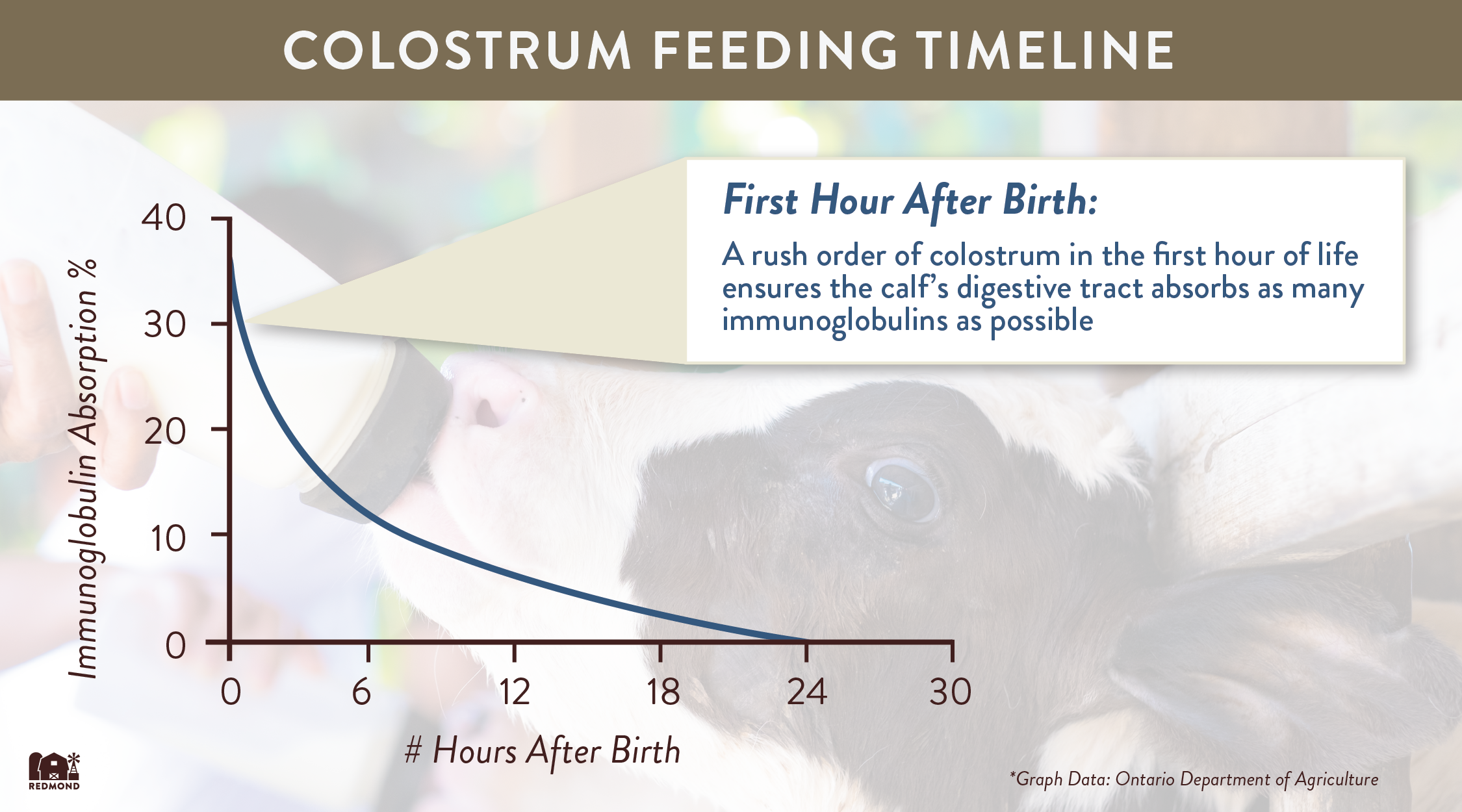
After 24 hours, colostrum naturally transitions into mature milk. If you are bottle feeding stored colostrum or a colostrum replacer, you can also replicate that transition to mature milk on day 2 or 3. Make sure you use species specific stored colostrum or colostrum replacer for calves, lambs, and kids so they can get the appropriate fat and protein levels.
What kind of milk replacer should I use?
Different livestock species have different dietary needs (ie. protein and fat requirements, mineral tolerances, etc.) especially when they are babies. If you do not have access to stored milk, choose a milk replacer formulated for each class of animal.
- Here is a milk replacer guide from the Department of Agriculture
What are scours and how can I prevent them?
Scours is a diarrheal disease that is caused by a wide array of pathogens. Newborn livestock are very susceptible due to their immature digestive systems, and can result in early death losses. Here are some basic scours prevention tips:
- Keep all bottle feeding equipment clean (sterilize bottles, nipples, and any other tools after every feeding).
- If possible, do not share equipment from animal to animal
- Separate infected animals
- Keep stalls clean and replace bedding often
- Have a calf scours treatment, like Redmond First Month, on hand so you can start treating scours right away
*Note: For sheep and goats, reduce First Month dose to ¼ tsp per feeding
How often should I bottle feed?
Calves:
- Generally, 2-3 bottle feeding sessions a day are sufficient for healthy calves during nice weather (weather stress can increase the need for extra nutrition). Consult your veterinarian for any calves that aren’t putting on weight or appear unwell.
Lambs and Goat Kids:
Iowa State Ag Extension suggests:
- Day 1: 4 to 6 ounces, 4 times
- Days 2 & 3: 6 to 8 ounces, 4 times a day
- Days 4-7: 8 to 10 oz, 4 times a day
- Week 2: gradually increase feeding volume to 12 to 16 ounces 3 times a day
- Week 3-8: gradually increase from 48 to 64 ounces a day
How Long Should I Bottle Feed A New Calf / When Should I Wean?
Here are some general guidelines for weaning calves, lambs, and kids from bottle feeding to solid feed:
- USDA calf weaning schedule
- Consult your veterinarian for special cases
What else do they need besides a bottle?
- Free access to clean, fresh water
- Easy access to forage and feed (especially as they wean)
- Offer a good mineral program:
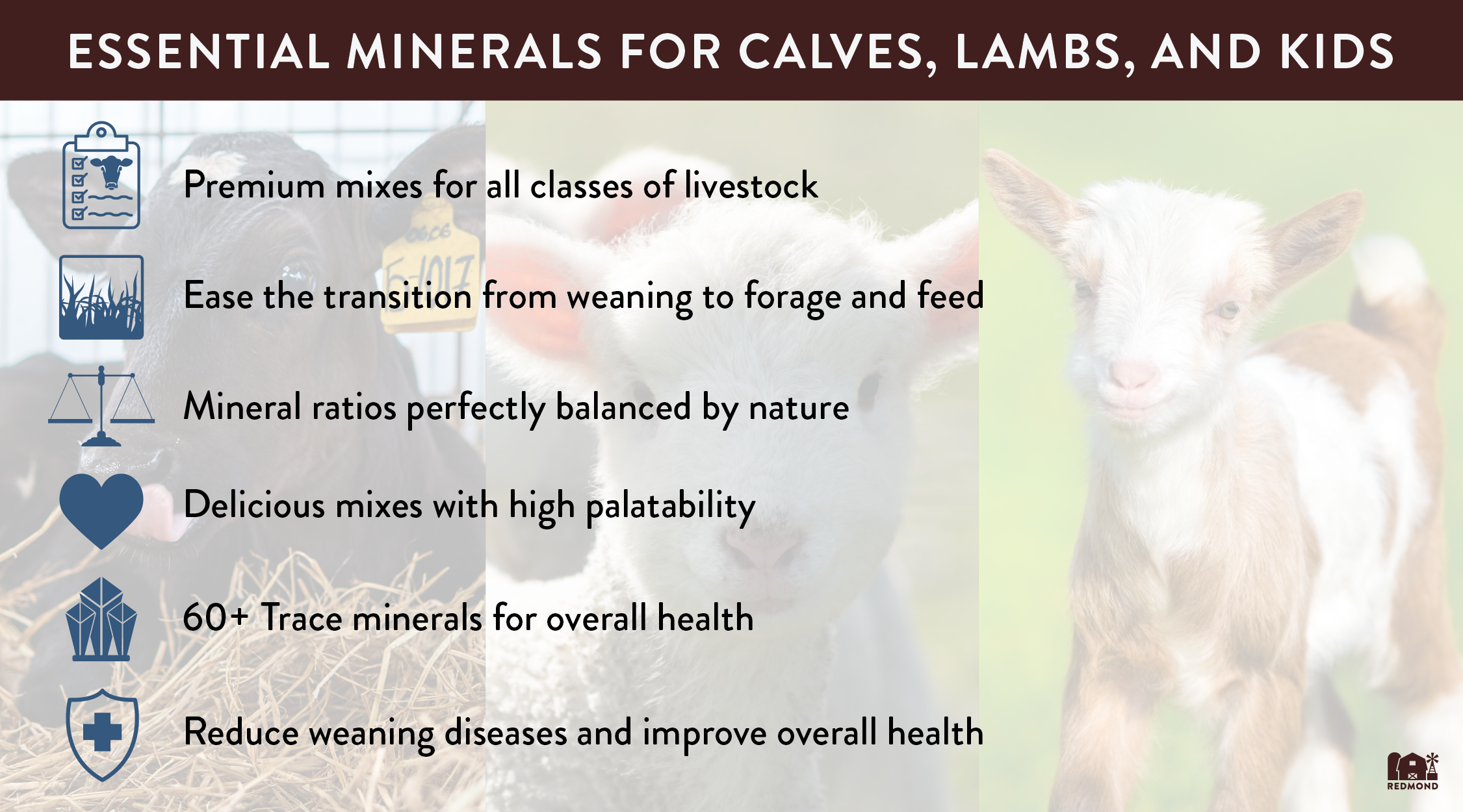
- Redmond is proud to offer minerals for calves, minerals for goats, and minerals for sheep that can help the newest members of your herd get a healthy start.
We also offer complete customizations for our mineral supplements so your younglings get exactly what they need. Give Redmond Minerals a call today to see how we can help you get back to what you love about raising animals!
© 2026 Redmond Minerals Inc.