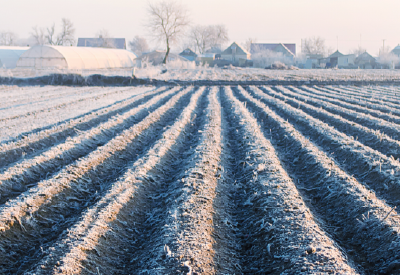
Winter soil health

Check out all of our collections!

How to Build Healthy Soil During the Winter
Let's learn what's happening underground and how to work with natural processes to build healthy soil for next year’s growing seasons
Healthy soil isn’t built in a single season. It takes time, consistency, and a little cooperation between plants, microorganisms, water, minerals…and you! The good news? The choices you make during these colder months can have a lasting impact on what your soil is capable of when spring arrives. So let’s start with understanding what's happening underground and how to work with natural processes to build healthy soil for next year’s growing seasons.
What Happens to Soil During the Winter?
In some ways, soil takes a break during the winter. Plant growth and microbial activity slow down, nutrient and water mobility change, and the ground goes through some pretty significant physical changes as temperatures rise and fall. But that doesn't mean nothing is happening beneath the surface.
Winter is actually an important part of the soil-building process. Even when the ground looks quiet, soil is still responding to its environment. What happens during these colder months can influence nutrient availability, soil structure, moisture retention, and how well your ground is prepared for the spring.
Here are a few of the biggest changes to be aware of.
Freeze-Thaw Cycles Change Soil Structure
Positive side of freezing-thawing
One of the most noticeable things winter does to soil is put it through repeated freeze-thaw cycles. When water in the soil freezes, it expands. That expansion pushes soil particles apart, creating cracks and small openings throughout the ground. As temperatures warm and the ice melts, the soil settles back down.
Over time, these cycles can break apart larger clay clods and create a finer and more permeable soil texture. In some cases, this can help improve the soil's structure and make it easier to work in the spring.
Negative side of freezing-thawing
There is, however, a trade-off. The same freezing and thawing can also cause heaving that disrupts plant roots and leaves them more exposed to extreme cold temperatures and dry conditions.
Repeated freezing and thawing can also leave bare soil more vulnerable to water and wind erosion.
What you can do to help insulate soil
-
Find your local frost depth on the National Weather Service frost depth map.
-
Mulch around plants to help insulate root zones and keep ground covered and protected from wind and water erosion.
-
Leave dead and dormant plant matter in the ground to create a protective barrier for top soil.
Biological Activity Slows Down
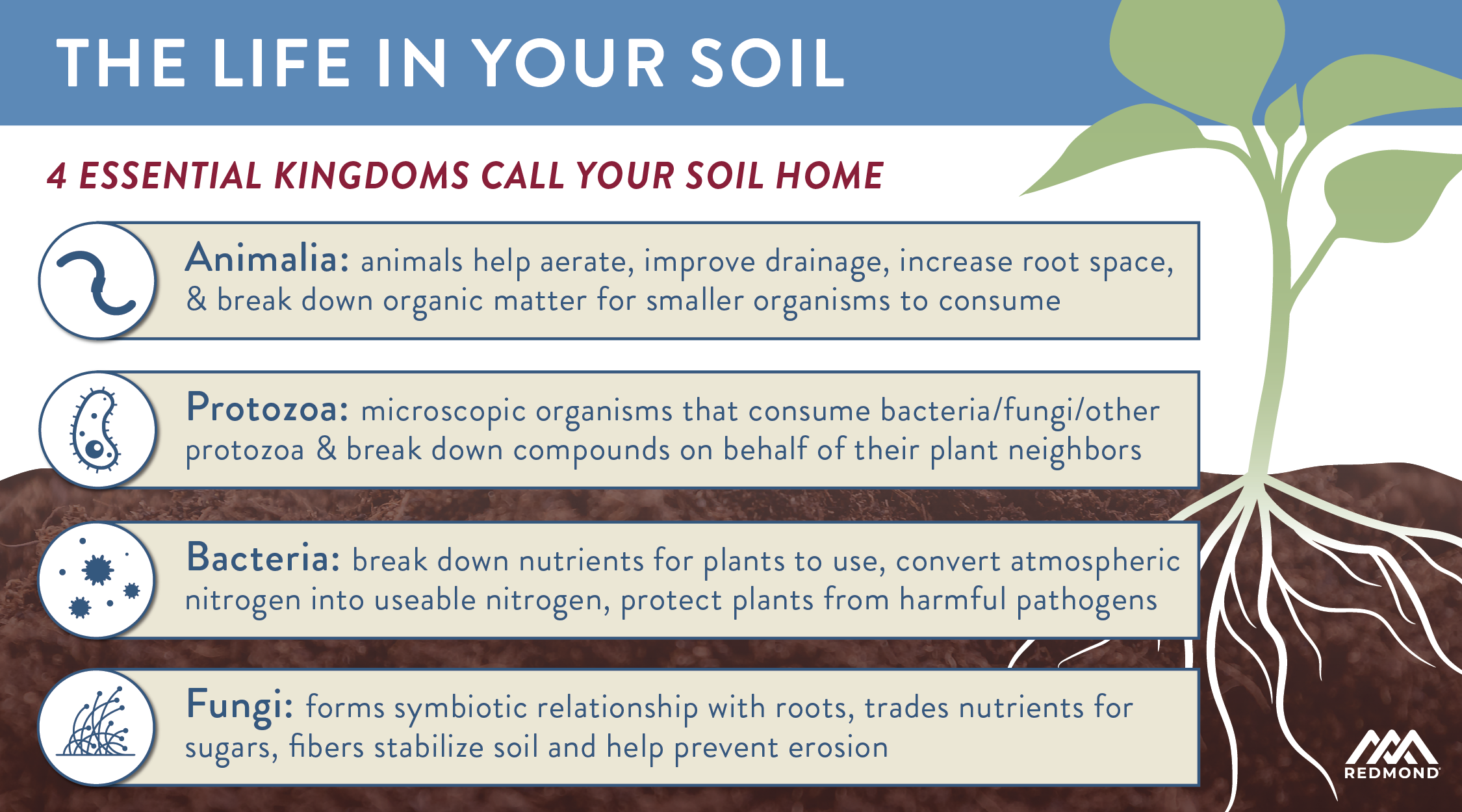
Soil is full of life. Bacteria, fungi, earthworms, insects, and other organisms are constantly working together to break down organic matter, cycle nutrients, and build healthy soil structure.
When temperatures drop, most of that activity slows down, even decomposition happens at a slower rate.
That doesn't mean soil biology shuts off completely. The organisms are still there and some remain active throughout the winter, particularly in deeper soil layers or areas protected by snow, mulch, and plant cover. Their activity depends heavily on temperature, moisture, and available food sources.
What you can do to help soil biology
-
Provide organic matter that can slowly decompose and feed the soil food web over the winter. You can amend, mulch, or leave spent plants in the ground.
-
Protect living root systems when possible so your perennials and trees will be ready to put energy into above ground growth when spring arrives.
-
Go no-till or low-till to avoid traumatizing root structures and mulch over the top to insulate.
Nutrients Still Cycle and Move Through Soil
The nutrient cycle is helped along by organisms and percolating water. However heavy rain and snow melt combined with cracked and heaving ground can carry certain nutrients below the root zone where plants can no longer reach them. This process is called leaching.
Not all nutrients are equally susceptible to leaching. Their movement depends on their chemical properties, how they interact with soil particles around them, and the type of soil they're in.
Which Nutrients Leach the Most?
Nitrogen is one of the most dynamic nutrients in the soil. It exists in several different forms and is constantly being converted from one form to another. Some forms of nitrogen are more mobile than others.
Nitrate, for example, has a negative charge and doesn't attach to negatively charged clay particles or soil organic matter. This lets it move freely with water and when precipitation exceeds what the soil can hold, nitrates can move deeper into the soil profile and beyond the reach of plant roots.
Sulfur (particularly sulfates) are also vulnerable to leaching and are pretty mobile in ground water.
These other nutrients tend to stay put much more easily, especially cations that are positively charged.
-
Phosphorus (P): Generally binds to soil particles and moves very little through the soil profile. However, it can be carried away by erosion and heavy runoff when the ground is bare.
-
Potassium (K): Often holds onto clay particles and organic matter, making it less susceptible to leaching.
-
Calcium (Ca) and Magnesium (Mg): These positively charged nutrients are generally held by soil particles, although they can still move through very sandy soils.
-
Most micronutrients: Elements like iron, zinc, copper, and manganese are generally less mobile and tend to remain within soil.
Soil type makes a difference, too. Sandy soils have larger pores and allow water to move through them more quickly, which can increase the risk of nutrient leaching. Clay-heavy soils generally hold onto more nutrients and water, although they can still experience nutrient loss under certain conditions.
What you can do to help soil nutrient levels
-
Test your soil in the fall and in the spring to see which nutrients are being lost over the winter. Then you can amend wisely and help restore only what has been lost. The goal isn't to add as many nutrients as possible, it's to create a healthy balance.
-
Feed soil biology to keep the nitrogen cycle moving.
-
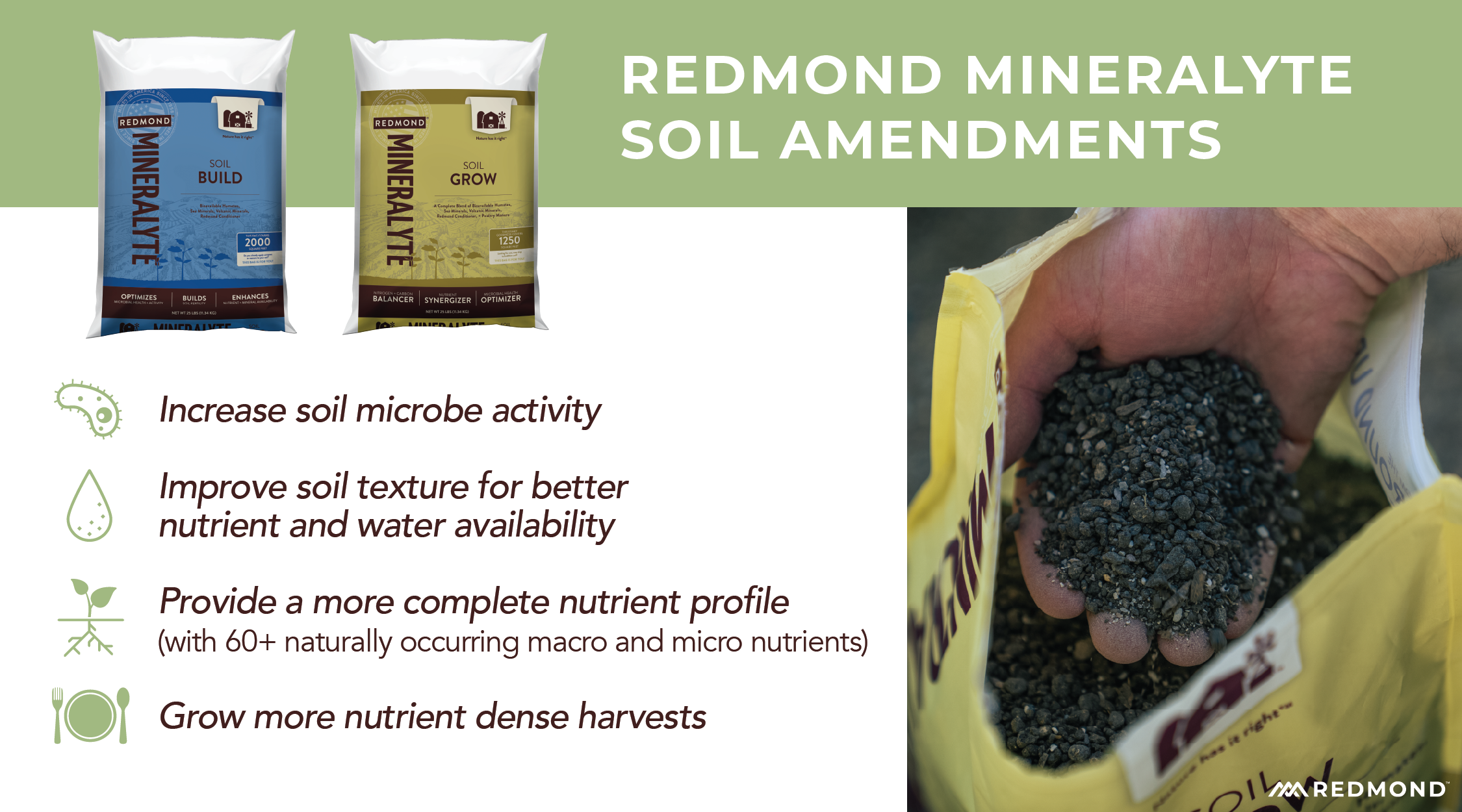
Amend with volcanic mineral conditioner and humates to increase cation exchange capacity and improve soil structure for less leaching.
-
Don’t amend during the winter. It may seem like winter is a good time to get ahead, but those nutrients likely will wash or blow away from the surface of hard ground instead of working their way into root zones where you need them. Amend in the fall or spring when the soil has thawed.
Tips for Protecting Your Soil Over Winter
One of the best things you can do for soil health during the winter is protect what you've already built.
Keep Roots in the Ground
Roots do a lot more than anchor plants. They hold soil in place, create pathways for water and air, and provide a food source for beneficial microorganisms. As roots grow and eventually decompose, they also contribute organic matter to the soil.
When plants die back for the winter, those benefits don't necessarily disappear. Roots and leftover plant material continue to support soil structure and biology as they break down.
Keeping something in the ground, whether it's a cover crop, perennial forage, or other local vegetation, can protect from erosion and keep the soil food web supported.
Use Mulch to Protect the Surface
A layer of mulch can act like a blanket for your soil.
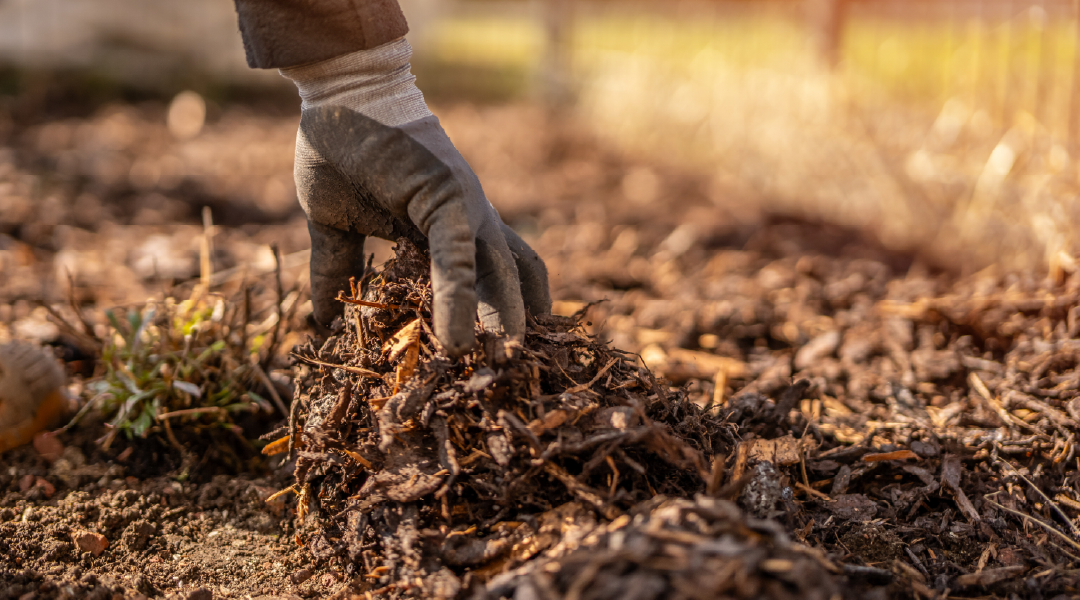
Straw, leaves, wood chips, and other organic materials help protect the soil surface from wind and water erosion, moderate temperature fluctuations, and reduce moisture loss. They can also help prevent bare soil from becoming overly compacted by heavy rain or snow.
As organic mulch slowly breaks down, it adds organic matter back into the soil and provides food for microorganisms.
Just remember to avoid piling it directly against tree trunks to protect them from rot; leave a few inches of breathing room.
Consider Cover Crops and Perennial Vegetation
Cover crops are one of the most useful tools for protecting and building soil health; they can make a big difference in keeping soil covered and biologically active.
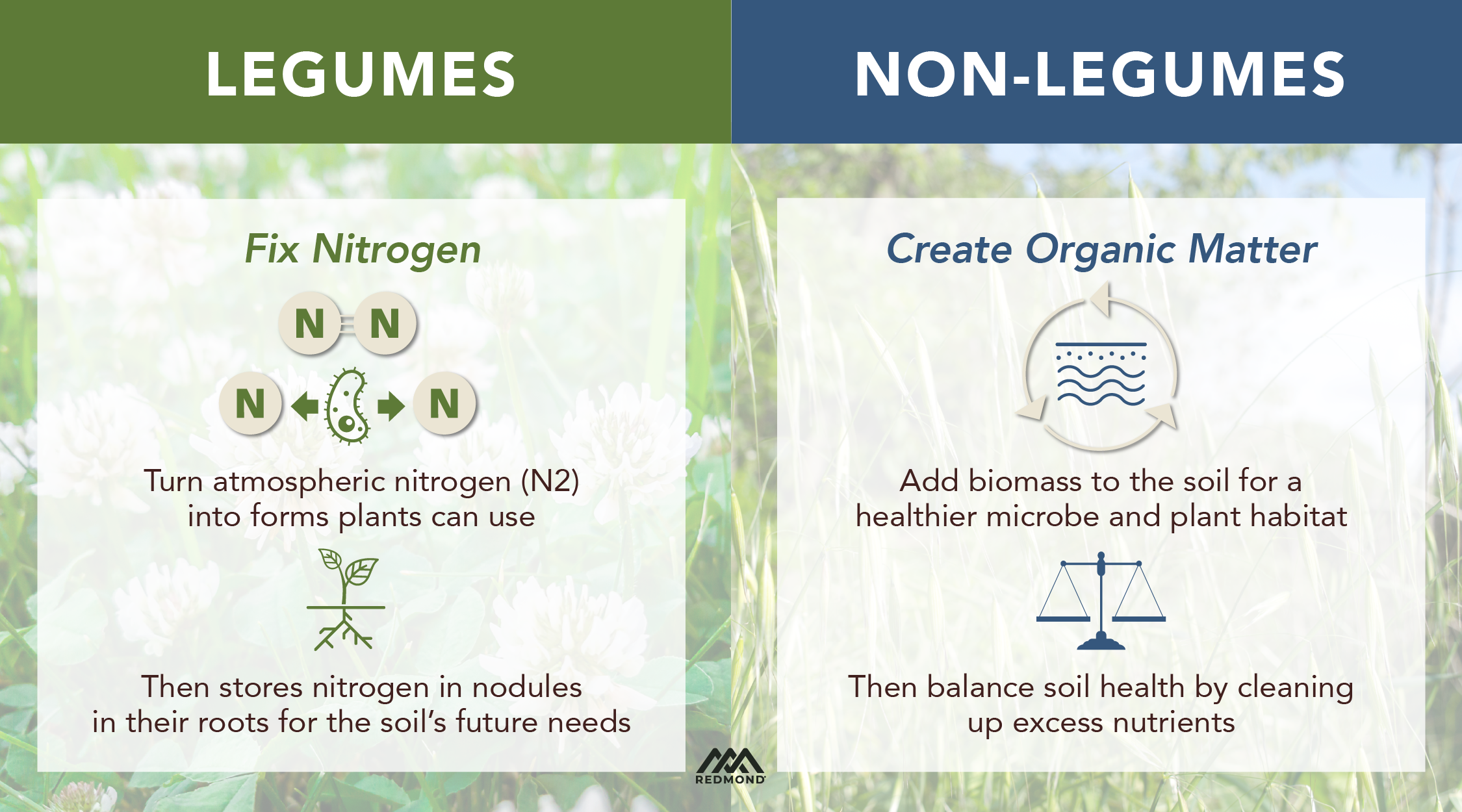
Depending on your climate and planting schedule, non-legume species like cereal rye, winter wheat, clover, and other cold-tolerant plants can provide ground cover through the winter.
Their roots help hold soil in place, capture nutrients that might otherwise be lost, and contribute organic matter as they grow and decompose. Some cover crops, like legumes, have nodules that store nitrogen in the soil and support nitrogen-fixing bacteria.
Don’t be too quick to clear everything away at the end of the growing season. What might look like leftover plant material to us can be a valuable food source for the soil.
Limit Soil Disturbance
Avoid driving heavy equipment across winter soil to reduce compaction. Tilling or disturbing soil unnecessarily can also break apart underground root structures and disrupt the habitat of beneficial organisms.
Whenever possible, limit traffic and disturbance, especially when the soil is saturated or beginning to thaw.
Regional Differences Matter
Of course, winter doesn't look the same everywhere. What works for a farmer in Minnesota might not make much sense for someone managing land in Georgia or Texas.
If you're farming in a milder climate, don't assume your soil needs the same winter management as someone dealing with several feet of snow.
Healthy Soil Is a Year-Round Investment
Remember, healthy soil isn't just about what it can grow today. It's about creating the conditions that help it keep growing for seasons to come. Redmond is here to help you naturally build healthy into your soil with our tried and tested soil program that has helped farms all over the country since the 1950s. Give Redmond a call today to see how we can help!

